FSBO Legal Secrets- Avoid Fees with We Buy Staten Island Homes
- Gabriel Kolendrekaj
- 1 day ago
- 5 min read


The temptation to bypass substantial commissions by navigating the For Sale By Owner (FSBO) route in the competitive Staten Island real estate market is understandable. While selling your property independently offers a clear path to potentially [avoid Realtor Fees], it simultaneously thrusts you into a complex legal and logistical arena usually managed by licensed professionals. Understanding the intricacies of the legalities of selling FSBO is not just advisable; it is absolutely critical for protecting your equity and ensuring a clean transaction.
Navigating the Legal Minefield of FSBO Transactions
Selling a home directly means you assume all the responsibilities traditionally handled by real estate agents, brokers, and closing attorneys, particularly concerning disclosure and contract administration. In New York, the regulatory environment is stringent. Failure to adhere to state and local mandates can result in contract nullification, significant financial penalties, or even litigation down the line.
Essential Disclosure Requirements in New York
New York State mandates specific seller disclosures designed to protect the buyer from undisclosed property defects. Skipping or poorly documenting these disclosures is one of the fastest ways a DIY seller can run into legal trouble.
Property Condition Disclosure Statement: This form requires the seller to disclose known material defects regarding the physical condition of the property. Errors or omissions here carry substantial liability.
Lead-Based Paint Disclosure: If your home was built before 1978, federal law requires you to disclose any known risks associated with lead paint, along with providing the EPA pamphlet.
Co-op/Condo Documents: If selling a unit in a building governed by an association, providing the necessary offering plans, bylaws, and financial statements is legally required for due diligence.
These documents form the bedrock of a legally sound transaction. A single oversight during this crucial phase of understanding the legalities of selling FSBO can negate any savings achieved by attempting to [avoid Realtor Fees].
The Contract Phase: Where Legal Pitfalls Are Most Common
The purchase agreement is arguably the most critical document. Unlike using a reputable firm or an investor like We Buy Staten Island Homes, where standardized, legally vetted contracts are utilized, FSBO sellers often rely on templates that may not account for specific Staten Island zoning laws or unique property situations.
Contingencies and Title Insurance
A standard residential contract in New York includes numerous contingencies related to financing, inspection, and title. A professional agent ensures these are correctly worded to protect the seller if the buyer fails to perform.
When you are selling without representation, you must independently ensure that the buyer secures title insurance, confirming clear ownership and identifying any undisclosed liens or easements. If the title is clouded, the transaction halts, and you, the seller, bear the risk and cost of clearing those defects before closing. For those looking for a streamlined process where these title issues are handled internally, engaging a cash buyer can bypass many of these protracted legal hurdles.
Minimizing Risk: Alternatives to DIY FSBO
While the appeal of saving 5-6% in commission is strong, the cost of remediation after a self-executed legal error far outweighs that potential saving. For sellers prioritizing speed, certainty, and complete mitigation of legal liability, there are reliable alternatives.
Understanding the landscape thoroughly is key. For a deeper dive into the mechanisms of direct selling and the associated risks, prospective sellers should review resources like What Is FSBO in Staten Island - And Does It Work?.
The Investor Solution: Certainty Over Uncertainty
For many Staten Island property owners, the goal isn't just to save money, but to sell quickly, close reliably, and avoid the stress associated with buyer financing falling through or protracted negotiation over repair credits. This is where established local investors become a powerful alternative to the FSBO struggle.
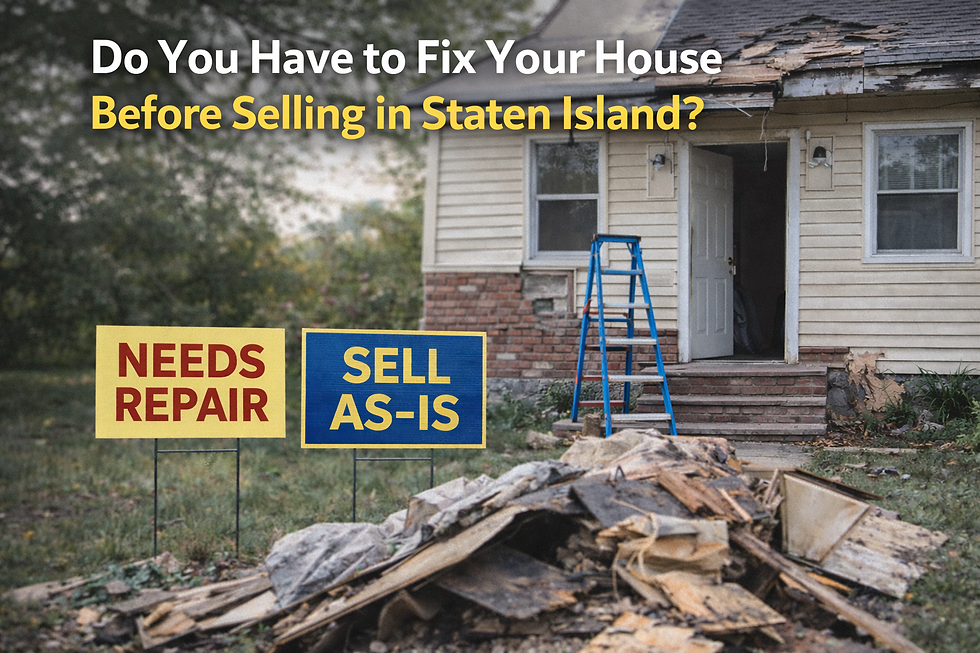
When you partner with a company like We Buy Staten Island Homes, the primary legal advantage is the direct nature of the agreement. We buy properties "as-is," meaning complex, time-consuming inspection negotiations are often eliminated. Furthermore, because we operate as the direct buyer, the transaction timeline is compressed, significantly reducing the window during which legal disputes can arise. We handle the due diligence and closing process efficiently.
Elimination of Marketing Liability: You avoid liability related to misrepresentations during open houses or marketing materials.
Guaranteed Closing: Cash offers remove financing contingency risk inherent in traditional sales.
Streamlined Due Diligence: Our process minimizes the opportunity for post-contract legal battles over disclosures or repairs.
This direct path provides a robust way to [avoid Realtor Fees] and, crucially, many of the associated legal risks that plague novice FSBO sellers. If maximizing speed and certainty while managing liability is paramount, understanding how to structure a direct sale is highly advantageous. Furthermore, for those specifically interested in rapid exits without commissions, you can explore How to Sell a House Fast in Staten Island Without Paying Realtor Fees for further insights into market timing.
Finalizing the Transaction: Closing Legalities
Even if the contract is perfectly drafted, the closing process itself involves specific New York requirements, including municipal searches and tax certifications. Utilizing a competent closing attorney is non-negotiable, even in FSBO sales, but the investor route often simplifies this by pre-arranging specific, trusted title and closing services that move swiftly. The key takeaway remains: knowledge of the legalities of selling FSBO must be absolute, or the risk is too high.
Frequently Asked Questions
What is the biggest legal mistake FSBO sellers make in New York?
The most significant legal error is often insufficient or inaccurate completion of the mandatory Property Condition Disclosure Statement. New York courts treat these documents seriously, and any known defect omitted can lead to post-closing liability for the seller.
Can I use a standard national real estate contract form for my Staten Island sale?
While standard forms provide a starting point, they often lack the necessary customization for New York-specific laws, local ordinances, or clauses tailored to the Staten Island market nuances. Relying solely on non-localized forms increases legal exposure.
How does selling to a cash buyer like We Buy Staten Island Homes affect my legal responsibility for inspections?
When selling "as-is" to a cash buyer, you generally agree to limit post-inspection remedies available to the buyer. This significantly reduces the back-and-forth negotiations and potential litigation over repair credits that often stalls traditional FSBO sales.
Do I still need an attorney if I successfully manage the FSBO contract myself?
Yes, retaining a qualified New York real estate attorney for the contract review and closing is imperative, even if you successfully navigate the initial listing. The attorney ensures all closing documents are correct and that funds transfer legally.
Selling your Staten Island property without an agent is achievable, provided you approach the process with professional rigor regarding documentation and state requirements. However, for those seeking to maximize profit while definitively minimizing the complex legal exposure and transactional delays associated with DIY representation, direct engagement with experienced local investors offers a compelling, reliable, and legally straightforward path forward. Evaluate your capacity to manage detailed legal compliance against the certainty offered by a direct purchase offer before committing solely to the FSBO route.


Comments